
Blog

find-your-niche.jpg
18/Feb/2026

If you’re a commercial driver, business owner, or fleet manager, you already know that staying compliant isn’t optional — it’s essential. DOT physicals and drug testing aren’t just paperwork requirements. They protect your license, your livelihood, your company, and the safety of everyone on the road.

But here’s what many drivers and employers don’t realize:

Where you go for your DOT physical or drug testing matters just as much as getting it done.

Choosing a clinic that understands the real-world demands of transportation work can save you time, prevent unnecessary delays, and keep your operation running smoothly.


For Drivers: Your License Is Your Livelihood

When you schedule a DOT physical, you’re not just checking a box. You’re protecting your CDL and your ability to earn a living.

A proper DOT physical through the Federal Motor Carrier Safety Administration (FMCSA) evaluates:

  • Blood pressure

  • Vision and hearing

  • Medical history

  • Sleep and cardiovascular health

  • Overall fitness for duty

The goal is simple: make sure you’re safe to operate a commercial vehicle.

But here’s what drivers care about most:

✔ No Surprises

You want clear answers about what’s required — before you walk in.

✔ Fair, Accurate Evaluations

You don’t want to be disqualified because someone rushed the exam or misunderstood the regulations.

✔ Respect for Your Time

You have routes to run, deliveries to make, and schedules to meet.

✔ Guidance if There’s an Issue

If something needs follow-up, you want solutions — not confusion.

A clinic that understands transportation workers knows this exam impacts your job. That perspective changes everything about how the visit feels.


For Employers: Compliance Without Headaches

If you manage drivers, your priorities are different — but just as urgent.

You need:

  • Reliable compliance

  • Fast turnaround

  • Clear documentation

  • Minimal downtime

  • Predictable pricing

A missed renewal, paperwork error, or delayed drug test result can sideline a driver and disrupt operations.

Partnering with a clinic that specializes in DOT physicals and drug testing gives you:

✔ Streamlined Scheduling

Group appointments or flexible time slots reduce lost work hours.

✔ Proper Chain-of-Custody Handling

Accurate documentation protects your company during audits.

✔ Fast, Secure Reporting

You get results quickly and securely.

✔ A Long-Term Compliance Partner

Not just a one-time provider.

When your clinic understands transportation regulations, you spend less time worrying about compliance and more time running your business.


Why Occupational Health Matters in a Local Setting

Many drivers default to urgent care clinics or large corporate testing centers. While those facilities can perform exams, they often treat DOT physicals as just another appointment.

A clinic that focuses on occupational health approaches things differently.

Instead of rushing you in and out, the focus is on:

  • Clear communication about FMCSA standards

  • Thorough but efficient exams

  • Helping drivers understand how to maintain certification

  • Supporting employers with structured compliance systems

That local, relationship-based approach means you’re not just a number in a system — you’re a professional whose work matters.


The Value of Convenience

Time off the road costs money.

Drivers often ask:

  • Can I get my physical done quickly?

  • Do I need multiple visits?

  • Can I complete my drug test the same day?

Offering DOT physicals and drug testing in one location simplifies everything.

For employers, bundling services means:

  • One phone call

  • One invoice

  • One trusted provider

  • Fewer disruptions

For drivers, it means:

  • Less waiting

  • Fewer appointments

  • Faster return to work

Convenience isn’t a luxury — it’s a competitive advantage.


Avoiding Costly Mistakes

Improperly performed DOT exams can result in:

  • Incorrect certification lengths

  • Documentation errors

  • Unnecessary temporary disqualifications

  • Delayed renewals

Those mistakes cost time and money.

A provider who understands the regulations ensures:

  • Blood pressure guidelines are applied correctly

  • Medical waivers are handled properly

  • Vision and hearing standards are interpreted accurately

  • Certification cards are issued correctly

That level of detail protects both drivers and companies.


Drug Testing: Protecting Safety and Reputation

DOT drug and alcohol testing isn’t about punishment — it’s about safety.

For employers, a compliant testing program protects:

  • Public safety

  • Company liability

  • Insurance risk

  • DOT audit readiness

For drivers, it ensures:

  • Fair testing procedures

  • Accurate chain-of-custody documentation

  • Confidential results handling

Testing may include:

  • Pre-employment screening

  • Random testing

  • Post-accident testing

  • Reasonable suspicion testing

A clinic experienced in occupational testing knows that every step — from collection to lab reporting — must meet federal standards.

When done correctly, drug testing strengthens workplace trust and reinforces safety culture.


What to Look for in a DOT Physical Provider

If you’re choosing a clinic, here are important questions to ask:

  • Is the medical examiner certified through the FMCSA National Registry?

  • Do they regularly perform DOT exams?

  • Do they understand transportation industry demands?

  • Can they handle both physicals and drug testing?

  • Do they offer employer program support?

Experience matters. So does communication.

You want a provider who explains findings clearly and treats you like a professional — not a checkbox.


Building Long-Term Partnerships

For local employers, the right clinic becomes more than a vendor. It becomes a compliance partner.

That relationship can include:

  • Annual renewal reminders

  • Random testing program coordination

  • Consortium management

  • On-site testing options

  • Policy guidance

When your occupational health provider understands your business, they can anticipate needs before problems arise.


A Community-Focused Approach

Transportation keeps communities moving. From school buses to freight haulers to utility fleets, drivers are essential.

Providing reliable DOT physicals and drug testing locally means:

  • Supporting small businesses

  • Keeping drivers working

  • Promoting road safety

  • Strengthening the local economy

When you choose a provider invested in the community, you’re supporting a system designed to keep everyone moving safely.


The Bottom Line

DOT physicals and drug testing aren’t just regulatory hurdles.

They are:

  • Protection for drivers

  • Risk management for employers

  • Safeguards for the public

  • Investments in safety

Choosing the right clinic ensures the process is efficient, compliant, respectful, and supportive.

If you’re a driver who values your license — or an employer who values your team — working with a provider that understands occupational health can make all the difference.

Because at the end of the day, it’s not just about passing an exam.

It’s about keeping drivers healthy, businesses compliant, and our roads safe.

Tips-for-a-Healthy-Spine.jpg
11/Jan/2026

If you’ve ever visited a chiropractor and been told you need three visits a week for the next six months before you even start, you probably had the same reaction many people do: That doesn’t feel right.

And you’re correct.

At Spracklin Chiropractic, we believe chiropractic care should be guided by your body’s response, not a pre-written sales script. While chiropractic care is incredibly effective, long-term treatment plans are not necessary for the vast majority of patients, and in many cases they do more harm than good.

Let’s talk about why.


Your Nervous System Doesn’t Work on a Calendar

Chiropractic is about improving how your brain and body communicate through the nervous system. When a joint is restricted, irritated, or not moving properly, it disrupts that communication and creates pain, stiffness, weakness, or dysfunction.

When that joint is restored, your nervous system begins healing immediately.

That process does not happen in six-week packages, twelve-week packages, or prepaid programs. It happens based on how your tissue responds, how inflammation resolves, and how movement is restored.

Some patients improve in one visit.
Some take three.
Some take ten.

But none of them heal because a spreadsheet said they should.


Real Healing Is Non-Linear

The human body doesn’t heal in straight lines. It heals in bursts, plateaus, and adjustments.

You might feel 70% better after one visit.
90% after two.
Then stall for a week.
Then suddenly resolve.

Rigid long-term treatment plans don’t respect that reality. They assume your body will follow a predictable curve when biology simply doesn’t work that way.

At Spracklin Chiropractic, we re-evaluate continuously. If your pain, motion, strength, and neurological function are improving, we continue. If they aren’t, we change the plan. If you’re better, we discharge you.

That’s how healthcare is supposed to work.


Most Conditions Do Not Require Long-Term Care

The majority of patients seeking chiropractic care are dealing with:

• Low back pain
• Neck pain
• Headaches
• Sciatica
• Shoulder or hip pain
• Disc irritation
• Joint stiffness
• Nerve irritation

These are mechanical and neurological problems, not chronic diseases.

When you correct the mechanics and normalize nerve signaling, the body stabilizes itself. It doesn’t need months of manipulation to stay aligned — it needs proper motion, strength, and neurological control.

Once that’s restored, your body maintains it naturally.


Long-Term Plans Can Delay Real Recovery

Here’s the part most clinics won’t tell you:

When patients are scheduled indefinitely, they stop participating in their own recovery.

They become passive.
They don’t move.
They don’t strengthen.
They don’t correct habits.

They wait for the next adjustment to “fix” them.

That creates dependence instead of resilience.

At Spracklin Chiropractic, we teach patients how to stabilize, move, and protect their spine so they don’t need us long-term. Chiropractic should create independence, not dependency.


What Ongoing Chiropractic Is Actually For

There are times when continued care makes sense — but they are very specific:

• Severe disc injuries
• Neurological compromise
• Complex trauma
• Degenerative spine disease
• Occupational strain
• Athletes under heavy load

In these cases, care is still response-driven, not time-driven.

We don’t say, “You need 36 visits.”
We say, “Let’s see how your nervous system responds and adjust accordingly.”

That’s ethical care.


Why Some Clinics Push Long-Term Plans

Let’s be honest.

Long-term treatment plans are financially attractive. They create predictable revenue and reduce cancellations. They also make patients feel like they’re committing to their health.

But healthcare should never be sold like a gym membership.

Your spine is not a subscription.

If someone tells you that you must commit to months of care before they even know how you will respond, they are not practicing patient-centered chiropractic. They are practicing business-centered chiropractic.


What We Do Instead at Spracklin Chiropractic

We use a trial-of-care model:

  1. We assess your movement, neurological function, and biomechanics

  2. We treat the restriction and nerve irritation

  3. We reassess objectively

  4. We continue only if you’re improving

If you’re not improving, we change approach or refer you appropriately.

When you are better, you are discharged.

Simple. Honest. Effective.


The Goal of Chiropractic Is Not Repetition — It’s Resolution

Chiropractic is not something you “need forever.”

It is something that restores function so you don’t need it anymore.

When your nervous system is clear, your joints move properly, and your muscles stabilize your spine, your body does the rest.

That’s how healing is supposed to work.

And that’s how we practice at Spracklin Chiropractic.


doctor-stetho.jpg
25/Oct/2025

At Spracklin Chiropractic, we believe that the cornerstone of effective care for orthopedic injuries isn’t just the treatment – it’s the thorough physical examination that comes first. When you’ve suffered a joint sprain, ligament tear, muscle strain, or other orthopedic issue, the difference between a predictable, efficient recovery and a long, costly journey often begins with how carefully your condition is assessed. Let’s explore why a complete exam matters so much – and how it helps reduce the cost of care.


Why a thorough physical exam matters

When you come to our clinic, we do more than just ask where it hurts and adjust the spine or joint. As Dr. Andrew C. Spracklin explains on our website: “When a patient first comes into the office we try to determine the exact cause of the pain through a thorough evaluation and walk the patient through possible treatment options.” Spracklin Chiropractic+1

Here’s why that exam is so important:

  • Accurate diagnosis: Orthopedic injuries often have overlapping symptoms. Muscle vs. ligament vs. joint capsule vs. nerve irritation can all cause pain, stiffness, and reduced function. A detailed physical exam helps differentiate them.

  • Targeted treatment plan: Once the root issue is identified, we can tailor care specifically – whether that means adjustment, physiotherapy modalities (ultrasound, electrical stimulation), acupuncture, or a combination. At our clinic we offer these tools to “reduce inflammation in specific areas” and promote healing. Spracklin Chiropractic+1

  • Avoid unnecessary procedures: Without a careful exam, what appears to be a simple “back or knee pain” might actually need imaging referral, orthopedics consult, or a different pathway. By catching red flags early, we prevent wasted time, ineffective treatments, or treatment “looping” that adds cost.

  • Better patient education and expectations: A thorough exam allows us to explain exactly what’s happening in your body, what you can expect in recovery, and what you need to do – which builds trust, avoids repeated “let’s try this again” visits, and ensures you’re engaged in your care.


How the exam reduces cost of care

Cost in health care isn’t just about the dollar bill – it’s also about time, wasted visits, delayed healing, and the cascading impact of one mis-step. Here’s how our approach helps control cost:

  1. Fewer “trial & error” visits: When the cause of the injury is identified early, treatment is more efficient. You’re less likely to bounce between therapies that don’t hit the mark. In our model we aim to “give it our all for those individuals … to help you feel better as fast as we can with no long-term time or financial commitment.” Spracklin Chiropractic+1

  2. Prevent escalation to expensive care: A missed ligament tear or joint instability, if untreated, could lead to chronic issues, surgery, or long rehabilitation – all of which cost far more. By identifying those risks in the exam phase (and referring when appropriate), we protect your health and your wallet.

  3. Reduced downtime and lost productivity: Especially when injuries interfere with work and daily life, the sooner you’re back to function, the lower the indirect cost (missed work, medications, secondary problems). Our clinic emphasizes conservative care designed to restore mobility and reduce pain so you stay moving. Spracklin Chiropractic

  4. Efficient use of adjunctive therapies: Modalities like ultrasound, electric stimulation, acupuncture are effective when used purposefully. Our exam guides where and how we apply them, reducing waste of resources and maximizing benefit.

  5. Clear plan, clear end point: One of the challenges in care is open-ended “maintenance” without defined goals. At Spracklin Chiropractic, the physical exam helps us set realistic milestones and avoid treatment creep. That means you’re not paying for endless therapy when you should be moving into self-management.


What you can expect at your exam

When you walk through the door of Spracklin Chiropractic, here’s how we start:

  • A thorough history: We’ll ask how it started, what you were doing, what makes it better or worse, your health background.

  • A full physical assessment: Range of motion, joint stability tests, muscle strength, nerve/vascular screening, posture and movement assessment.

  • Identifying red flags: We check for signs that require imaging, specialist referral, or are beyond routine chiropractic care. As Dr. Spracklin states: “We continuously reassess—if conservative care is not producing steady, safe improvement, we reassess the plan.” Spracklin Chiropractic+1

  • A custom care plan: Based on what we find, we’ll explain the issue in plain language, the proposed treatments, expected timeline, and your role (exercise, posture, self-care).

  • Ongoing monitoring & reassessment: We don’t just treat and forget. We track improvement and adjust if needed.


Final thoughts

Orthopedic injuries are among the most common—and most expensive—sources of musculoskeletal pain and disability. But they don’t have to lead to open-ended treatment, unnecessary procedures, or long-term dysfunction. At Spracklin Chiropractic, we believe the key to preventing those outcomes is the thorough physical exam. It identifies the real problem, enables focused treatment, helps avoid waste and delay, and ultimately reduces cost – both financial and personal.

If you or someone you know is dealing with a joint or muscle injury, don’t wait for it to become “just another ache.” Start with an evaluation that respects your body, your time, and your budget. At Spracklin Chiropractic, we’re here for that.


show-up-.jpg
19/Oct/2025

At Spracklin Chiropractic, we talk a lot about consistency — in your health, in your movement, and in your mindset. But when you really get down to it, all consistency begins with one simple, powerful act: showing up.

It’s easy to overthink health. We chase the perfect plan, the perfect time, the perfect feeling. We wait until work slows down, the kids’ schedules clear up, or our energy feels “right.” But life rarely gives us perfect conditions. What it gives us instead is opportunity — small, everyday chances to show up for ourselves even when it’s not convenient, even when it’s not glamorous, and even when it doesn’t feel like progress in the moment.

Showing Up in the Office

We see this every day in the clinic. Patients who make the decision to show up regularly — to get adjusted, to follow through on their care plan, to move their bodies and take ownership of their health — are the ones who see change happen. Not overnight, but over time.

Chiropractic care works with consistency, just like exercise, nutrition, or sleep. One adjustment may give you relief, but it’s the steady rhythm of care that restores function and helps your body stay in balance. Each visit builds on the last. It’s not just about aligning your spine — it’s about aligning your habits.

You don’t have to be perfect. You just have to be present.

Showing Up for Your Body

Your body keeps score of how you show up. Every stretch, every walk, every good night’s sleep — it adds up. So does every skipped meal, late night, or day hunched over a screen.

But here’s the encouraging part: your body is remarkably forgiving. It’s built to adapt and heal. When you decide to start showing up — even in small ways — your body meets you halfway. Whether that’s committing to better posture, sticking to your exercise plan, or making time for recovery, showing up tells your body, “I’m on your team.”

And that shift in mindset? It’s powerful.

Health isn’t about perfection. It’s about participation. Every time you show up, you’re casting a vote for the kind of person you want to be — healthy, resilient, and moving forward.

Showing Up for Your Family and Community

We don’t live in isolation. When you show up for your own health, your family feels it. Your kids see it. Your coworkers notice it. You bring more energy, patience, and presence into your day.

At Spracklin Chiropractic, we see families where one person’s commitment to care inspires others to do the same. One person starts sleeping better, feeling better, and moving better — and suddenly, their family dinners have more laughter, their evenings have more activity, and their mornings feel less rushed. That’s the ripple effect of showing up.

Your decision to take care of yourself isn’t selfish — it’s leadership. You can’t pour from an empty cup, but when you prioritize your well-being, you’re able to give more to everyone around you.

Showing Up When It’s Hard

The truth is, some days you won’t want to. You’ll feel tired, sore, stressed, or too busy. That’s okay. Showing up doesn’t mean ignoring how you feel — it means honoring it enough to take action anyway.

Even when it’s uncomfortable. Especially when it’s uncomfortable.

Because those are the moments that create momentum. They remind you that you’re capable of more than your excuses.

In the clinic, we often say, “Movement is medicine.” But showing up is the dose that makes the medicine work. The adjustment doesn’t happen unless you walk through the door. The healing doesn’t happen unless you commit to the process.

Showing Up, One Step at a Time

Maybe for you, showing up means scheduling your next adjustment. Maybe it’s getting back into a walking routine, or setting your phone down an hour before bed. Whatever it looks like, it starts with one simple step — deciding that your health is worth the effort.

You don’t have to have it all figured out. You just have to start. And once you do, you’ll find that each step forward gets a little easier.

At Spracklin Chiropractic, our goal is to help you move, feel, and live better — but the most important part of that journey is you. We can guide, adjust, and encourage, but you’re the one who makes the choice to show up.

So here’s your reminder today:
Don’t wait for the perfect time. Don’t wait for the pain to be unbearable. Don’t wait for “someday.”

Show up.
Your body will thank you.
Your mind will thank you.
Your future self will thank you.

Because the simple act of showing up — day after day, visit after visit, choice after choice — is where real change begins.


proceed-with-caution-sign-vector-art-illustration_1303675-387.avif
28/Sep/2025

At Spracklin Chiropractic, we believe deeply in the power of conservative, non‑invasive approaches — soft‑tissue work, mobilization, gentle neurological balancing, activity modification, and adjustment when safe. But in the world of real patients, real bodies, and real trauma, there are times when conservative care is not appropriate — and pressing action or referral is the more responsible choice. Knowing when to pause, reconsider, or redirect care is just as vital as knowing how to help.

Below, we explore key scenarios in which conservative chiropractic care should not be pursued, particularly in acute presentations — not out of fear, but out of discernment and safety.


1. Red Flags or “Don’t Miss” Signs: When Urgency Outweighs Gentle Care

One of the first lines of defense is recognizing red flags — signs or symptoms that suggest a serious underlying pathology rather than simple musculoskeletal dysfunction. In these cases, pursuing conservative chiropractic care without further investigation may delay critical treatment or worsen outcomes.

Some of the most important red flags include:

  • Sudden, severe headache or neck pain, “the worst of one’s life,” unlike any previous pain
    Even if the pain seems localized musculoskeletal, a sudden onset of dramatic intensity may point toward vascular events (e.g. arterial dissection) or intracranial pathology. Conservative adjustment or mobilization would be inappropriate in such a scenario.
    NCBI+2studyres.com+2

  • Neurological deficits or signs of neurovascular compromise
    Unilateral facial numbness or paresthesia, cerebellar signs, visual field defects, lateral medullary signs — these may signal neurovascular insufficiency in the vertebrobasilar system. In these cases, all treatment modalities should be halted, and emergent referral considered.
    NCBI+2studyres.com+2

  • Progressive neurological decline (e.g. emerging myelopathy or cauda equina syndrome)
    If sensory changes, motor weakness, or bowel/bladder changes are progressing, that is no longer a case for routine conservative care; it’s a red flag for serious nerve compromise or compression.
    chiro-online.com+3studyres.com+3Chiro.org+3

  • Signs of systemic illness, infection, or malignancy
    Fever, weight loss, night pain, history of cancer, immunosuppression — all may indicate that the pain is not a benign mechanical issue. Proceeding with manipulative therapy without proper medical evaluation could be dangerous.
    studyres.com+2Chiro.org+2

  • Acute fracture or instability, dislocation
    Obvious trauma, imaging evidence of fracture, or ligamentous instability are absolute contraindications to spinal manipulation in that area until properly stabilized or healed.
    jmptonline.org+3studyres.com+3studyres.com+3

If any of the above are present, the clinician must shift gears from “let’s help reduce pain and restore function” to “we must safely triage, investigate, and refer as needed.”


2. Contraindications That Override the Typical Response

Even in less dramatic acute cases, there are recognized contraindications to certain chiropractic interventions, especially high-velocity thrusts (adjustments). Some of these may be absolute (never safe) or relative (use caution, modify or avoid) depending on the context.

Examples include:

  • Inflammatory arthropathies in acute phase (e.g. active rheumatoid arthritis)
    The associated ligamentous laxity and joint inflammation make traditional adjustment risky.
    Springfield Chiropractor+2studyres.com+2

  • Malignancy or bone tumor in the spinal region
    The structural integrity may already be compromised. Manipulating the area risks fracture or spreading disease.
    studyres.com+2jmptonline.org+2

  • Local infection (osteomyelitis, discitis)
    Infection weakens tissues and any mechanical stress may worsen the process or spread infection.
    studyres.com+2Chiro.org+2

  • Bone demineralization, osteoporosis, bleeding disorders
    The fragility of structures or risk of hemorrhage means we must use extreme caution, or avoid thrusting entirely.
    jmptonline.org+3The Healthpraxis+3studyres.com+3

  • Postoperative instability, implants, or surgical alterations
    Manipulation over fused segments or around instrumentation may be contraindicated or require extensive modification.
    chiro-online.com+3studyres.com+3Chiro.org+3

In each of these, conservative care might still play a role — soft tissue, mobilization, pain modulation — but not high‑force manipulation at those risky levels.


3. When Conservative Care Fails — Recognize the Need to Pivot

Another scenario: a patient presents with what seems like a routine musculoskeletal strain, but does not respond as expected to conservative treatment. In such cases, persisting with “more of the same” may be unwise.

Warning signs here include:

  • Worsening rather than improving symptoms

  • New neurological signs developing

  • Failure to improve after a reasonable trial (adjusted for severity)

  • Pain beyond anatomical expectations

  • Multiple failed modalities

At that point, the clinician must ask: do we continue, adjust approach, or refer? Sometimes referral to imaging, orthopedic, neurology, or spine surgery is the best step.

The literature supports that “non‑indicated treatment,” even if not strictly contraindicated, can carry cost and risk without patient benefit. BioMed Central


4. Balancing the Philosophy with Safety

At SpracklinChiro, our philosophy rests on restoring tone — the harmonious balance of neural, structural, and functional integrity. But that philosophy must always be married to prudent risk management. When bodies present with serious warning signs, our duty is not to force conservative care but to do no harm: refer, pause, collaborate.

In practical terms, here’s how we integrate this approach:

  • Every new patient undergoes a thorough history and red‑flag screening

  • If any red flags or contraindications appear, we hold manipulation in reserve

  • In acute trauma, we may stabilize, support, refer to imaging, or co-manage

  • We continuously reassess — if conservative care is not producing steady, safe improvement, we reassess the plan

  • We maintain open communication with medical colleagues, imaging centers, and specialists


5. Case Illustrations (Hypothetical, for Teaching)

Case A: A 45-year-old with sudden onset neck pain and an unprecedently severe headache, no prior history. Conservative care is tempting, but the presentation triggers our protocol: no adjustment, urgent referral to imaging and neurologic evaluation.

Case B: A 60-year-old with persistent low back pain for several weeks, unresponsive to soft tissue work or mobilizations, now developing mild foot numbness. We pause our standard plan, order MRI referral, and co-manage with spine specialists.

Case C: A patient with known osteoporosis and anticoagulation therapy presents with new low back spasm. We avoid thrusting, focus on safe mobilizations, modalities, and gentle neuromodulation instead.


Closing Thoughts

Conservative chiropractic care is powerful, healing, and often the right first choice. Yet wisdom in practice lies in recognizing when it is not the right choice — when urgency, red flags, or contraindications demand a pause, referral, or alternative pathway.

At SpracklinChiro, our commitment is to safe, effective, patient‑centered care. That includes knowing when to hold back, when to refer, and when to call in medical or surgical allies. In doing so, we affirm that healing begins not only with adjustment, but with discernment.

If you or someone you know is experiencing acute pain or alarming signs, don’t wait. Come in for evaluation — and rest assured, we’ll always act in your best interest.


spinal-stenosis_0.jpg
14/Sep/2025

At Spracklin Chiropractic, we believe in helping your body heal more naturally. When spinal stenosis causes discomfort — pain, numbness, limited mobility — you don’t always have to turn immediately to surgery or long‑term medications. In many cases, gentle, conservative chiropractic care can offer real relief and improved function. Here’s how and why.


What is Spinal Stenosis?

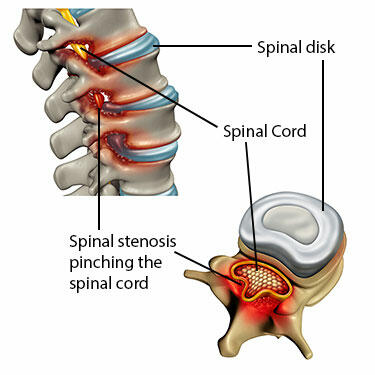
Spinal stenosis is a narrowing of the spaces in your spine (the spinal canal or the openings where the nerve roots exit). When that space becomes too small, nerves or the spinal cord can become compressed, leading to symptoms like:

  • Pain in the back, buttocks or legs

  • Numbness, tingling, or weakness in the limbs

  • Cramping sensations

  • Difficulty walking or standing for prolonged periods

Often, as we age, degeneration in discs, joints, ligaments, and other spinal structures contributes to this narrowing.


Traditional Chiropractic Philosophy

At Spracklin Chiropractic, traditional chiropractic care focuses on relieving pressure from nerves of the nervous system to allow the body to heal more naturally. We use drug‑free, non‑invasive approaches. Our tools include adjustments, physiotherapy modalities, acupuncture, and therapeutic exercise.

The goal is not just to mask symptoms, but to reduce the mechanical causes of pain and nerve irritation, to help restore mobility, and to support healing through natural means.


How Chiropractic Helps with Spinal Stenosis

Here are the ways chiropractic care can be particularly beneficial in spinal stenosis:

  1. Spinal Adjustments & Mobilization
    Gentle adjustments help restore proper alignment of vertebrae, ease stiffness, and relieve nerve compression. Mobilization techniques — slow, gentle movements of the joints — assist when more forceful adjustments are not appropriate. These are often safer and preferable for stenosis.

  2. Flexion‑Distraction & Decompression Methods
    Techniques such as flexion‑distraction gently stretch and open the spinal canal spaces, reducing pressure on nerves. Decompression therapy (non‑surgical) can also help relieve symptoms by allowing more room in the spine and restoring disc height.

  3. Soft Tissue Treatments & Physiotherapy
    At Spracklin Chiropractic, physiotherapy tools (e.g. electrical stimulation, ultrasound, etc.) help reduce inflammation, relax tight muscles, and improve blood flow to affected areas. These are often used in conjunction with adjustments for better relief.

  4. Exercise, Posture, & Lifestyle Modifications
    Rehabilitation exercises are essential: core stabilization, gentle stretching, low‑impact aerobic movement, posture training. These help maintain spinal flexibility, reduce further stress, and prevent recurrence. Also, adjusting daily habits — how we sit, stand, sleep — plays a strong role in supporting long‑term relief.


What You Can Expect at Spracklin Chiropractic

  • A comprehensive evaluation: We’ll assess your spine, your neurological status, your mobility, and your symptoms to figure out exactly how stenosis is affecting you.

  • A customized care plan: Based on your condition, we’ll recommend a mix of treatments — adjustments, physiotherapy modalities, possibly acupuncture — tailored to relieve pressure and support healing.

  • Conservative, natural methods: No unnecessary medications, no harsh side effects. Our methods are designed to be gentle but effective.

  • Patient partnership: We guide you, but you also play a big role — doing prescribed exercises, modifying posture, practicing good spinal hygiene at home.


Is Chiropractic Right for You?

While many people find significant relief through chiropractic care, it’s important to know that not all cases are the same. Some situations (for example severe stenosis with significant neurological deficits) might require additional medical evaluation or even surgical consultation. We always make sure to refer when further care is needed.


Summary

Spinal stenosis doesn’t have to mean pain forever. At Spracklin Chiropractic, we believe in offering conservative, natural solutions that address root causes, relieve pressure on nerves, and help you regain mobility and comfort. If you or someone you love is dealing with spinal stenosis, reach out and let’s explore how chiropractic care might help bring relief — without the risks and side effects of medication or surgery.


truck-1200x675.jpg
27/Jul/2025

In industries where safety is paramount—whether it’s trucking, construction, or manufacturing—implementing robust health and safety programs is not just a legal requirement but a moral imperative. Two critical components of these programs are Department of Transportation (DOT) physicals and workplace drug testing. These programs help maintain a safe, productive workforce, mitigate risks, and ensure compliance with federal and state regulations. By focusing on regular DOT physicals and comprehensive drug testing, employers safeguard their operations and ensure that workers can perform their duties without compromising their health, safety, or that of others.

What is a DOT Physical?

A DOT physical is a mandatory health examination for commercial vehicle drivers. Administered by a licensed medical examiner, the DOT physical is designed to assess whether a driver is physically and mentally capable of safely operating a commercial motor vehicle (CMV). This includes a thorough check of the driver’s vision, hearing, blood pressure, cardiovascular health, and other factors that can impact their ability to perform their job safely.

The DOT physical is required by the Federal Motor Carrier Safety Administration (FMCSA) for anyone operating a commercial motor vehicle that is involved in interstate commerce. The purpose is clear: to ensure that drivers are fit for duty and free from conditions that might impair their ability to drive safely.

Why Are DOT Physicals Crucial?

  1. Identifying Hidden Health Issues
    Many serious health conditions, such as hypertension, diabetes, and heart disease, can go unnoticed by employees until it’s too late. Regular DOT physicals catch these conditions early, allowing for timely treatment. A DOT exam doesn’t just ensure that drivers meet specific physical standards—it helps uncover any underlying health issues that could affect their performance on the road. Conditions such as uncontrolled high blood pressure or undiagnosed diabetes can result in medical emergencies while driving, endangering not only the driver but also others on the road.
  2. Preventing Medical Emergencies
    Certain medical conditions, if left unchecked, can lead to sudden incapacitation, which is a significant risk for commercial drivers. A well-timed DOT physical ensures that conditions like cardiovascular disease, seizure disorders, or impaired vision are identified early, reducing the risk of health-related emergencies during operation. This, in turn, lowers the likelihood of accidents caused by sudden medical issues while driving, contributing to overall road safety.
  3. Promoting Long-Term Health
    DOT physicals don’t only focus on short-term fitness for duty; they are also an opportunity for drivers to get a baseline assessment of their health. With regular check-ups, drivers can be guided on lifestyle changes, preventive care, and health goals. This proactive approach can lead to better long-term health outcomes and fewer instances of chronic illness.
  4. Ensuring Compliance
    FMCSA regulations require that all commercial drivers undergo a DOT physical at least once every two years. Employers who fail to ensure their drivers meet this requirement risk facing significant fines and legal repercussions. Compliance with DOT physical standards isn’t just an obligation—it’s an essential part of protecting the business from liability and maintaining a good standing with regulatory bodies.

What is Workplace Drug Testing?

Workplace drug testing involves screening employees for the presence of illegal drugs or alcohol to ensure they are not impaired while performing job duties. In the context of industries with safety-sensitive jobs, such as trucking, construction, and manufacturing, drug testing is especially critical. Drug tests are typically administered in one of several forms, including urine, saliva, hair follicle, or blood tests, depending on the type of testing program and the substances being tested for.

Workplace drug testing programs can be either random, scheduled, or conducted in response to a specific event or suspicion. These programs not only help maintain workplace safety but also foster a culture of accountability, ensuring that employees are fit to perform their jobs to the best of their ability.

Why Is Workplace Drug Testing Important?

  1. Preventing Impairment on the Job
    The dangers of working while impaired cannot be overstated. In certain industries, a moment of impaired judgment or delayed reaction time can lead to catastrophic accidents. For example, in the transportation industry, a driver under the influence of drugs or alcohol is more likely to make dangerous decisions, such as running a red light, failing to yield, or making a poor lane change. Drug testing ensures that employees are not working under the influence of substances that could impair their judgment or abilities, reducing the risk of accidents.
  2. Ensuring a Safe Work Environment
    Workplace drug testing fosters a safer environment for all employees. When workers are aware that their colleagues are subject to drug testing, they are less likely to engage in substance abuse. This not only enhances individual safety but contributes to a healthier, more productive workforce overall. A safe work environment boosts morale and reduces the number of workplace injuries, which is beneficial for both employees and employers.
  3. Reducing Employer Liability
    Employers are legally responsible for providing a safe work environment for their employees. When substance abuse is a factor in an accident or injury, the employer can be held liable for negligence, particularly if they failed to implement proper drug testing procedures. Having a drug testing program in place helps demonstrate due diligence, reducing the likelihood of costly legal disputes and liability claims.
  4. Promoting Workplace Productivity
    Employees who are under the influence of drugs or alcohol are far less productive. They may struggle with focus, coordination, and decision-making, all of which affect overall performance. A workplace drug testing program discourages substance abuse, ensuring that employees are alert, productive, and engaged in their tasks. This leads to higher overall efficiency and output, benefiting the bottom line of the company.
  5. Supporting Employee Wellness
    Workplace drug testing programs also offer employees a level of support. By addressing substance abuse head-on, employers can create an environment where employees feel safe to seek help if they are struggling with addiction or substance use disorders. Many drug testing programs come with educational components or access to rehabilitation services, helping employees regain their health and return to work in a more stable condition.

How DOT Physicals and Drug Testing Work Together

The synergy between DOT physicals and drug testing programs cannot be overstated. Both are integral to ensuring a safe, healthy, and compliant workforce. While DOT physicals focus on assessing a driver’s physical and mental capacity to perform their duties, drug testing ensures that employees are not impaired by substances that could undermine their performance. Together, these programs create a comprehensive safety net that protects not only employees but also the public, clients, and the company’s reputation.

By implementing regular DOT physicals and workplace drug testing, employers are not only adhering to legal standards but are also fostering a culture of safety and well-being within the workplace. A healthy, drug-free workforce is not only more productive but also far less likely to be involved in accidents or legal disputes.

Conclusion

Regular DOT physicals and workplace drug testing are critical to maintaining a safe, compliant, and efficient workplace, particularly in industries where safety is of the utmost concern. These programs help prevent medical emergencies, ensure employees are fit for their roles, reduce liability, and promote long-term employee health and productivity. Employers who invest in regular health checks and robust drug testing protocols are not only protecting their workforce but are also ensuring the continued success and growth of their business. In industries where human lives are often on the line, these preventive measures are more than just regulations—they are essential components of a responsible and forward-thinking business strategy.


KeepMoving.png
30/Jun/2025

Not everything in the office goes according to plan. In your mind, things should go from one to the next without much of a hiccup.  This past week was a reminder of that.  Thousands of adjustments are performed in the office on a yearly basis and hundreds of physicals and drug collections and if I told you that there is no risk in performing this job, I’d be lying to you.

There are numerous stories that are constantly circulating on the internet of how dangerous chiropractors can be, while these stories do not necessarily concern me, the statistics just don’t pull enough weight that a lot of mental energy should go into it, but we do get asked about it.  The things that concern me in the office when it comes to chiropractic care are ribs that either stress or strain during P to A adjustments, this does happen 2-3 times per year, it’s painful to the patient and I feel about two feet tall when it happens because normally it happens to some of my favorite patients.  I feel it on my end and the patient feels it right away.

There is not a lot of “treatment” to fix this in the short term; it’s just a complication that we see in the profession a few times a year.  Time and rest is normally the best thing to do and within a week or two, you will be back to feeling normal but the entire purpose of coming to the office is to feel better but when a patient leaves feeling worse, that’s a terrible feeling as a provider.

I’m constantly weighing risk/reward when it comes to treatment.  An older individual comes in with hip pain, it can be complicated, I want to mobilize the joint but I also need progress and not pain.  So sometimes the best things to do are minimal treatment that day and follow up a few more times than being so aggressive they are miserable and essentially cussing you out when they leave.

The number of DOT physicals we perform in the office is constantly rising.  When paperwork gets filled out, people aren’t necessarily truthful the entire time.  Health scares happen to people all the time without then telling me the entire story.  We can request records and get all of the information we can get our hands on and it can just be a judgment call.  99% of the time, the correct judgment is made but you always remember the 1% you question yourself on.

Drug tests are a different animal, the people that come into a drug test and have nothing to hide look at it more as a inconvenience but you do run into situations when people are going to do everything possible to pass a test including, devices and fake urine, in order to keep or get a job. Most of the time, I’m just the collector and don’t have a lot of skin in the game but there are times when people try to pull a fast one on you, it does happen but as long as protocols are followed the people that try to game the system will eventually get caught.

I wanted to write this as a reminder that things do happen, but mentally you have to just keep pressing on.  It takes a lot of mental energy when things don’t go according to plan.  We strive to do the best we can with all patients that walk in the door.  We do feel bad when adjustments go wrong and never forget the DOT’s that press the envelope or the “judgment” call but we do the best we can and have to keep moving forward.


Happinessisnottryingorfindingitisdeciding.png
26/Apr/2025

I think I would be preaching to the choir to say that every job has its ups and downs.  If you say that you love your job 100% of the time, I think you’re either the extreme rarity or you’re lying to yourself. Genuinely, I do like what I do but there are days and patients that drive you up the wall.

The anti-thesis chiropractor, I do see a lot of value in the work that I do. But some of these offices get a little carried away, in my opinion, with the treatment plan aspect. I come from the school of thought that we will treat you a time or two, get you back on your feet and allow the body to heal.  Going for a walk, get moving or some simple stretches are most of the time significantly better for you then more treatment in the office. A lot of the passive therapies that are performed in the office are short term, they feel good in the moment but a couple hours after the therapeutic benefit has worn off, so walking and proper exercise are more conducive for long term health and recovery. So if you want to spend your hard earned money on a long term treatment plan, feel free, but personally I don’t feel that it’s necessary.

Simple things go a long way, as I just stated, doing simple things outside of the office can be more beneficial than anything. Divert to DOT physicals and drug testing, if you call to schedule a drug test, please don’t pee 5 minutes before you come into the office.  Have your medications and proper paperwork filled out or available before coming into the office for your appointment.  Not only does it make your life easier but I am able to get you in and out of the office in a much more efficient and timely manner.

I’ve said this from day one.  The services that I provide and the way I practice allow me to sleep well at night.  Things are done on the up and up, we follow the rules and don’t abuse them.  There are some grey areas in regards to DOT physicals, but drug and alcohol testing is very black and white.  Chiropractic treatments are subjective, people tolerate things differently, but we get you in the office and back on your feet as fast as possible and you let us know when you need anything else.

Needing to be able to be comfortable in your own skin as you are fighting an uphill battle is never ending.  Insurance is becoming less and less sustainable from an office stand point. Reimbursements are falling WAY behind the cost of operating a business.  If you think that my office is expensive, boy do I have news for you.  Go into a clinic or hospital and see what the cost is just to be seen. I try to keep things reasonable and at prices that I would feel comfortable paying for the services that are offered.

I like my ancillary services and I feel that they are a benefit to society and provide value to the people seeking them. Drug and alcohol testing are mandated by the federal government.  DOT Physicals are required in order to keep a CDL active.  These are keeping drivers and the general public safe on the roads.  People are always going to try and skirt the rules, whether it’s lying about medications or trying to “pass” a drug test.  It is my responsibility to get to the truth and keep them on or off the road if necessary.

Do I think that chiropractors come with a poverty complex, not necessarily. We are getting to a point where prices are going to have to increase on our end in order to keep things operating as smooth as they should be in my opinion. I feel that charging a fair price and giving great service is the basis of a successful business. Are we the cheapest, no but we are far from the most expensive. There are a lot of chiropractors in the area and only so many patients to go around.  Offering services that people utilize and value is where I’m at in this ever evolving healthcare circle.

I don’t plan on drastically changing anything but just know that running an office and surviving in the current healthcare environment while living a comfortable life is an uphill battle. I’m willing to fight that fight at this time, I RARELY turn anyone away but with the ever growing accounts receivable in an office and the ever growing cost of running a business, patience runs thin at time.

At the end of the day, you have to choose to be happy with the road you have chosen and overall I would say that when I lock the doors are the end of the day, I’m content with the life I have chosen.  Are there things that I could do to make significantly more money with fewer headaches, sure but at this stage I don’t have to answer to anyone on a daily basis.  I can go to kid’s events and not have to ask anyone and the ability to have a life outside of the office, while sometimes difficult, is one of the best perks about the profession.

I completely understand that this is more of a rant but writing these thoughts down and letting even a few people have access to my thoughts is not only therapeutic for me but it allows you get an insight as to what the struggles are from time to time.


1_cOzmEhrXIkGPcfQhF4WiPw.png
24/Feb/2025

Occupational Medicine is a pretty broad term but I’m going to approach this from a DOT Physical and a drug/alcohol testing aspect.  We hear from people all the time that Medical doctors, nurse practitioners and physicians assistants have said that chiropractors have no business performing DOT physicals.  I would like to rebuttal that argument: while chiropractors don’t have to ability to manage medications or order many medical procedures, we most definitely can perform the type of exam necessary to qualify (or disqualify) drivers to safely drive.

Roughly 12 years ago, the FMCSA developed guidelines that all medical examiners needed to be certified to perform these physicals.  I was one of the first 10 people in the state, across all profession to get certified and I haven’t looked back since.  I have since taken the course again and past the test, again. I say all of this because it doesn’t matter what profession you are, we all take the same certification process and take the exact same test. So while I may not be able to take people on and off medications, I am able to review a medical history, medication list, previous surgeries and send you out for sleep apnea testing and other testing that may be necessary to safely pass the test.

As for are we able to identify things, yes and quite honestly we have seen most if not all of the items we are tested over: monocular vision, insulin use for diabetes, amputated limbs or the basic high blood pressure have all come through the office in some shape or form. The process has changed over the years and we have had our hiccups with getting the correct forms filled out, but we eventually get there.

I find a lot of enjoyment performing these exams, they are normally pretty straight forward, quick and we are able to get people in and out of our office in a timely manner.  We are discovering that most medical clinics are not getting recertified, I’m not sure if the paperwork is a headache or if it’s just not something they want to do anymore, but fewer and fewer people are doing them.

The drug/alcohol testing is a little bit different animal.  Whether you are part of our consortium that we run in house or just use us as a collection site, just know that I have gone through the training and certification to perform this service.  It’s always a little interesting as you don’t have to be a healthcare professional to perform these collections, just pass the certification.

At this point, I plan on keeping it run and collected by healthcare professionals, whether that is me personally or have a nurse or two that come in and do collections, I would like to keep it that way. The process is fairly quick and painless unless you have a “ding” on your collection history, then it’s a little more invasive, but not crazy.  We are finally starting to hit our stride with this service and are looking to potentially going mobile at times for companies that don’t like to send their drivers away from the day’s work in order to get to a clinic to perform a collection.

While it was never my intention to get into DOT Physicals and urine collection, I’m fully committed at this point and I would love to discuss you or your companies needs in regards to any or all of these services. If you have any questions or comments please direct them to spracklindotservices@gmail.com and we can discuss how we can make your life a little easier.


Spracklin-Chiro-Alt

Providing effective natural chiropractic care to the Kearney Community.

Copyright by Spracklin Chiropractic 2023.